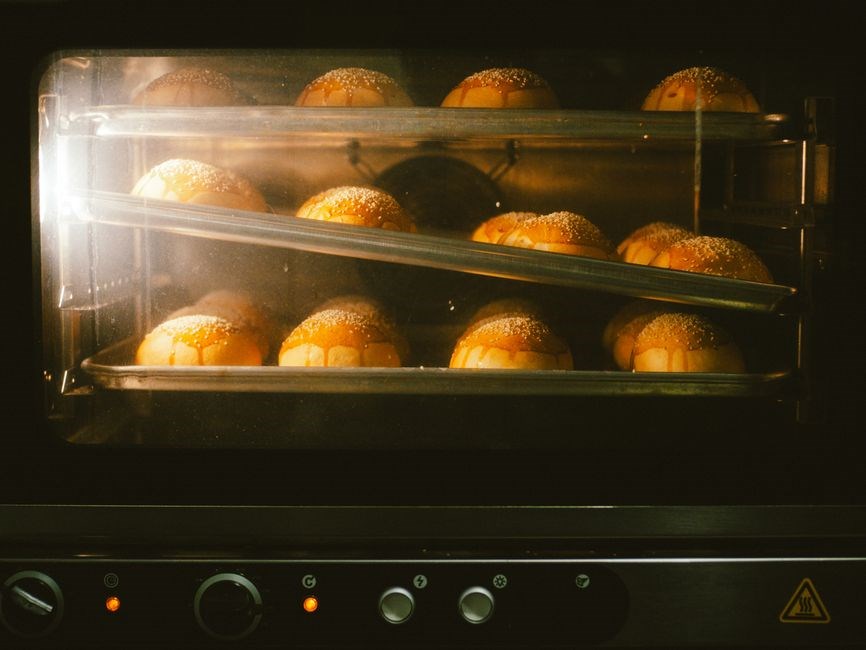
The AEG Competence series offers versatile built‑in ovens, from single‑unit models to dual‑cooker configurations. Designed for precision, they feature programmable settings, safety locks, and energy‑efficient heating. Manuals guide setup, operation, and maintenance for reliable performance.Check warranty details!!!
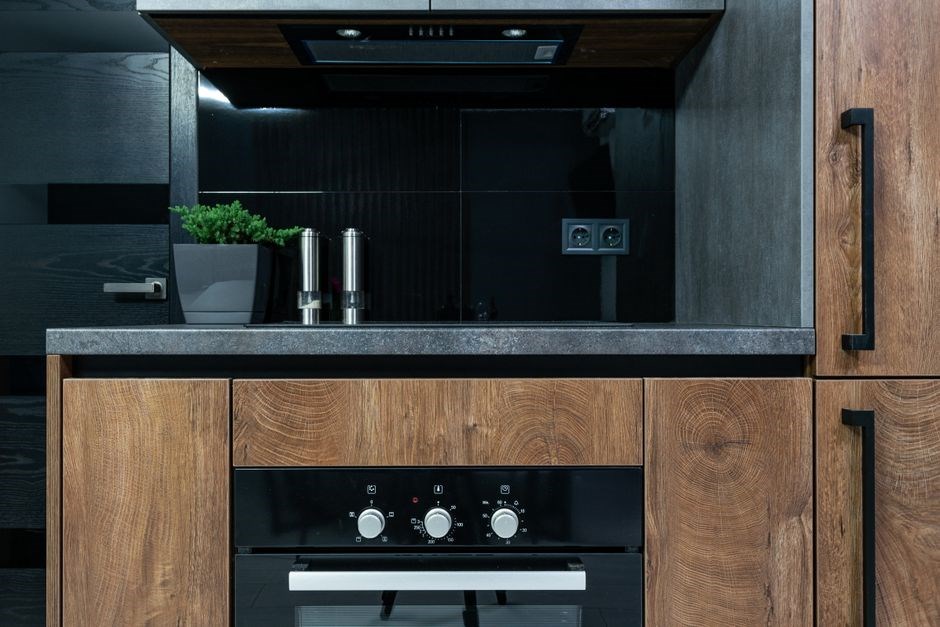
Key Model Highlights
AEG Competence ovens deliver advanced features across models. The E4140‑1 offers pyro‑cleaning, the 3201 B provides single‑unit convenience, and the B8920‑1 combines dual‑cooker power. All include child‑lock, energy‑saving modes, and intuitive touch controls for precise cooking. — —!!
- Energy heating.
- Touch‑pad interface.
.
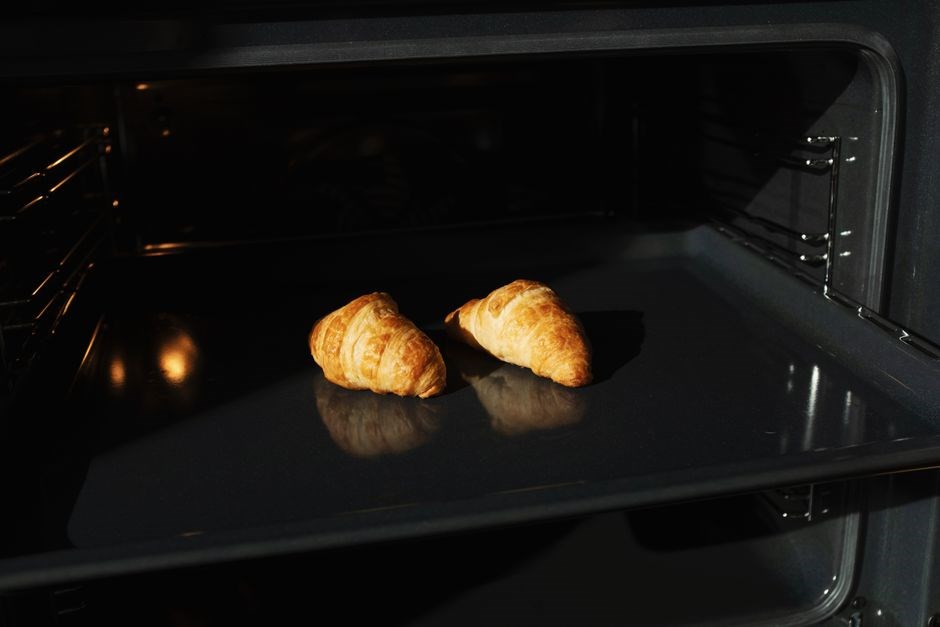
Model E414-1 – Built‑In Pyrolytic Oven
Model E414‑1 is a premium built‑in oven featuring a 65 L capacity and a 45 cm width, making it suitable for modern kitchens. Its pyro‑cleaning function automatically heats the interior to 260 °C, turning food residue into ash that can be easily wiped away, eliminating manual scrubbing. The oven offers a range of programmable modes: conventional baking, broiling, convection, and a dedicated “pyro‑clean” cycle. A touch‑pad interface allows precise temperature control from 30 °C to 260 °C and timer settings up to 90 minutes. Safety features include a child‑lock, over‑temperature protection, and a built‑in sensor that detects door closure before heating begins. Energy efficiency is achieved through a double‑wall insulation and an automatic ventilation system that reduces heat loss. The E414‑1 also supports Wi‑Fi connectivity, enabling remote monitoring and control via the AEG app. Installation requires a dedicated 230 V circuit and a minimum clearance of 15 cm on all sides. The oven’s design incorporates a removable, dishwasher‑safe crumb tray and a stainless‑steel interior for easy cleaning. For optimal performance, users should follow the manufacturer’s guidelines for pre‑heating, load distribution, and the use of oven‑safe cookware. The manual provides detailed troubleshooting steps and maintenance schedules, ensuring the appliance remains safe and efficient throughout its lifespan.
Users should wipe the interior after each use and run the pyro‑clean cycle monthly to keep the oven hygienic. The “eco‑mode” cuts power consumption, while the “auto‑adjust” feature tailors temperature to load. AEG’s portal supplies firmware updates and video guides
Model 3201 B – Single Built‑In Oven
Model 3201 B is a compact, single‑unit oven designed for efficient baking and roasting in modern kitchens. With a 70 L capacity and a 45 cm width, it fits standard kitchen layouts while providing ample space for trays and pans. The oven offers conventional baking, broiling, and convection modes, each with a temperature range of 30 °C to 260 °C. A touch‑pad control panel allows users to set precise temperatures and timers up to 90 minutes. The 3201 B includes a child‑lock feature and over‑temperature protection to ensure safe operation. Its double‑wall insulation minimizes heat loss, improving energy efficiency. The interior is finished in stainless steel, making it easy to clean and resistant to food residue. A removable crumb tray can be washed in a dishwasher, and the oven’s self‑cleaning cycle can be activated for quick maintenance. Installation requires a dedicated 230 V circuit and a minimum clearance of 15 cm on all sides. The user manual provides detailed instructions for connecting the oven, setting up the control panel, and troubleshooting common issues. Firmware updates are available through the AEG support portal, ensuring the oven remains up‑to‑date with the latest features and safety improvements. For optimal performance, users should pre‑heat the oven before loading dishes and avoid overloading to maintain even heat distribution. The 3201 B is ideal for households seeking a reliable, user‑friendly oven that combines versatility with safety and energy efficiency.
The oven’s heating elements are rated at 2000 W, providing rapid pre‑heating and consistent cooking results. The 3201 B features a built‑in safety switch that automatically shuts off power if the door is opened during operation. Users can customize the oven’s lighting and display brightness through the settings menu. The oven’s design includes a ventilation system that reduces moisture buildup, extending the life of the interior components. The manual also covers recommended cookware materials, such as glass, ceramic, and stainless steel, and advises against using metal trays that can cause uneven heating. For troubleshooting, a diagnostic mode can be accessed by pressing the “Info” button, which displays error codes that correspond to specific faults. The user guide provides a FAQ section that addresses common questions about temperature calibration, timer accuracy, and cleaning procedures. Additionally, the oven supports a “quick‑start” mode that pre‑sets a 180 °C bake for 30 minutes, ideal for everyday use. The 3201 B’s sleek, black finish complements contemporary kitchen décor, while its quiet operation ensures a peaceful cooking environment. Its intuitive interface and robust build quality guarantee a reliable cooking experience for years to come. Enjoy cooking! Enjoy cooking!
Model B8920‑1 – Built‑In Oven
The AEG Competence B8920‑1 is a versatile, single‑unit built‑in oven that combines robust performance with user‑friendly features. With a 70 L capacity and a 45 cm width, it fits standard kitchen configurations while providing ample space for trays and cookware. The oven offers conventional baking, broiling, and convection modes, each with a temperature range of 30 °C to 260 °C and a timer up to 90 minutes. A touch‑pad control panel allows precise temperature and timer settings, and a child‑lock function ensures safety for families. The B8920‑1 features a double‑wall insulation system that reduces heat loss, improving energy efficiency and maintaining a stable interior temperature for even cooking. Its stainless‑steel interior is easy to clean and resistant to food residue, while a removable crumb tray can be washed in the dishwasher. The oven’s self‑cleaning cycle can be activated for quick maintenance, and the user manual provides detailed instructions for connecting the oven to a dedicated 230 V circuit, ensuring proper clearance of 15 cm on all sides. The B8920‑1 includes over‑temperature protection and a safety switch that automatically shuts off power if the door is opened during operation. Firmware updates are available through the AEG support portal, keeping the oven up‑to‑date with the latest features and safety improvements. For optimal performance, pre‑heat the oven before loading dishes, avoid overloading, and use recommended cookware such as glass, ceramic, or stainless steel. The manual also covers troubleshooting steps, diagnostic modes, and a FAQ section that addresses common questions about temperature calibration, timer accuracy, and cleaning procedures. Quick‑start pre‑sets 180 °C for 30 minutes, ideal for everyday use. Enjoy hassle‑free cooking and save
Safety and Electrical Requirements
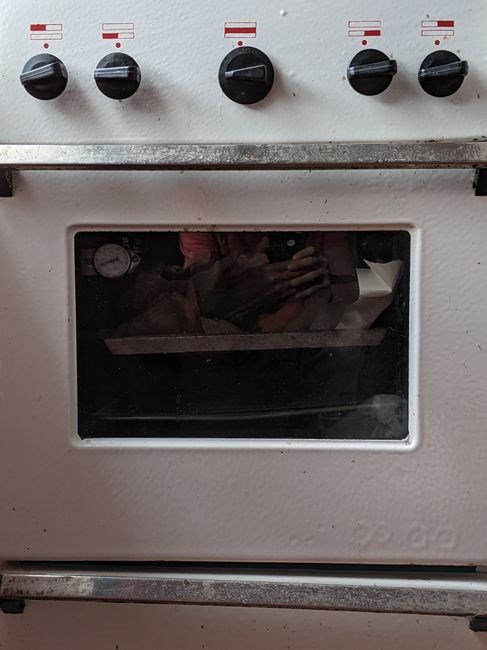
Ensure a dedicated 230 V, 16 A circuit with a 16 A circuit breaker. Keep a 15 cm clearance around the oven. The built‑in child lock and over‑temperature protection automatically shut off power if the door opens or temperature exceeds limits. Follow the manual for wiring and safety checks. Ensure grounding now!!
Voltage and Circuit Protection
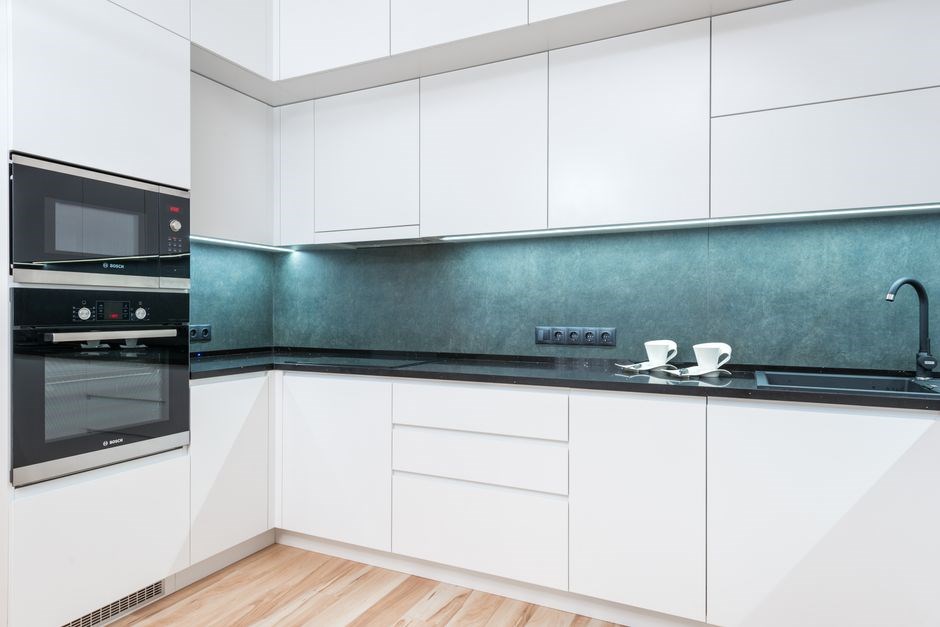
AEG Competence ovens are designed for residential use and require a dedicated 230 V, 16 A circuit with a 16 A breaker or fuse. The internal wiring must comply with IEC 60335‑2‑7, ensuring that the oven’s electrical load does not exceed the rated capacity of the supply. A minimum 15 cm clearance around the unit and a 5 cm distance from any flammable material are mandatory; Wiring should be performed by a qualified electrician, using cable type C‑16 or equivalent, with a minimum cross‑section of 2.5 mm² for the supply lead. The oven’s built‑in circuit protection includes a thermal overload relay that trips if the internal temperature rises above 250 °C, preventing overheating of the heating elements. A residual‑current device (RCD) of 30 mA should be installed on the circuit to guard against electric shock. The oven’s control board contains a safety fuse rated at 16 A; if a fault occurs, this fuse will blow, cutting power to the heating elements. Users must not bypass any safety devices, as doing so can lead to fire or electric shock. The user manual advises checking the integrity of the power cord and plug before each use, ensuring that the plug is firmly seated in the outlet and that the cord shows no signs of wear or damage. If the cord is damaged, replace it immediately with a certified replacement. The oven’s internal wiring is shielded to reduce electromagnetic interference, but users should still avoid placing the oven near high‑frequency devices such as routers or cordless phones. By following these voltage and circuit protection guidelines, users can safely operate the AEG Competence oven while maintaining compliance with local electrical codes and standards now!!
Child Lock and Over‑Temperature Safeguards
AEG Competence ovens incorporate a child‑lock function that disables all control panel inputs when activated. The lock is engaged by pressing the dedicated lock button for at least three seconds; a green LED confirms activation. To release the lock, the same button is pressed for five seconds, and the LED turns red. The lock prevents accidental temperature changes, timer adjustments, or mode selection, ensuring that children cannot initiate high‑heat cycles or open the oven door during operation. The child‑lock is independent of the main power supply; it can be engaged even when the oven is plugged in, providing an extra safety layer for households with young children. In addition to the child‑lock, each oven is fitted with an over‑temperature safeguard that monitors the internal temperature via a thermocouple connected to the control board. If the temperature exceeds 260 °C, the safeguard automatically shuts down the heating elements and triggers a warning alarm. The system also includes a thermal cut‑out that disconnects the mains supply if the internal temperature rises above 280 °C, preventing potential fire hazards. All safety features comply with CE and UL certifications, ensuring reliable operation safe.
Installation and Initial Setup
Position the oven on a level surface, leaving 10 cm clearance on all sides. Connect the 240 V supply via the supplied cable, ensuring the circuit breaker is rated for 16 A. Switch on the unit, then run the test cycle to verify heating and safety functions. Ensure secure connections!
Placement Guidelines
Before installing the oven, verify that the cabinet or wall space meets the manufacturer’s dimensional requirements: the unit must fit within the specified width, height, and depth, with at least 10 cm clearance on all sides for ventilation and service access. The oven should be positioned on a stable, level floor or countertop; use a spirit level to confirm that the surface is horizontal to within ±2 mm. Ensure that the electrical supply is a dedicated 240 V circuit with a minimum 16 A breaker, and that the cable length allows the unit to be placed at least 30 cm away from the outlet to prevent overheating of the cord. The back of the oven must be at least 5 cm from any wall or obstruction to allow proper airflow; if the oven is installed in a narrow space, install a ventilation fan or ensure that the cabinet has a perforated back panel. Do not place the oven directly above a heat source such as a stove or a heating vent, as this can cause temperature spikes and damage the appliance. The oven’s door should open freely without obstruction; check that the hinges are properly aligned and that the door seal is intact. Finally, after positioning, test the oven’s tilt function by gently rocking the unit; it should not shift more than 1 cm. Once the oven is correctly placed, proceed to the initial setup steps. If the oven is installed in a kitchen with a ceiling ensure that the venting system is routed to avoid buildup. Additionally keep now the area around the oven free of materials and verify that the door latch before using the appliance for the first time.
First Run and Function Test
Before you begin cooking, perform a “first‑run” to verify that all functions operate correctly and that the oven is free of dust or debris. Start by turning the oven on to the lowest temperature setting (usually 50 °C) and allow it to heat for 10 minutes. Observe the temperature display; it should rise steadily and stop at the set value. Next, test the heating elements by selecting a high‑temperature mode (e.g., 250 °C) and monitoring the time it takes to reach the target. The oven should reach the desired temperature within the time indicated on the manual. After the heating test, switch to the pyro‑clean mode if the model includes it; the oven should activate the cleaning cycle, and the indicator light should turn amber during the process. Check the door latch and child‑lock function by pressing the lock button; the door should not open until the lock is released. Finally, run a short test bake by placing a small baking tray with water inside and setting the oven to 180 °C for 5 minutes. The water should evaporate, indicating proper heat distribution. If any of these steps fail, consult the troubleshooting section or contact service support. Once the test is successful, the oven is ready for everyday use. After confirming all functions, perform a check: ensure temperature sensor is positioned, verify child lock and confirm the oven’s power cord is intact. After the initial test, allow the oven to cool down to room temperature before removing door; this step helps prevent sudden temperature spikes that could damage the appliance. Use the oven’s manual for detailed cleaning instructions after each use!!!

Operating Modes and Program Settings
Choose from conventional bake, broil, or pyro‑clean. Set temperature 50‑250 °C, timer 0‑120 min. The oven auto‑adjusts heat distribution. Use preset programs for bread, roast, or pastry. Child lock and safety shut‑off are active during all modes. All settings are user‑friendly.
Conventional Baking, Broiling, and Pyrolytic Cleaning
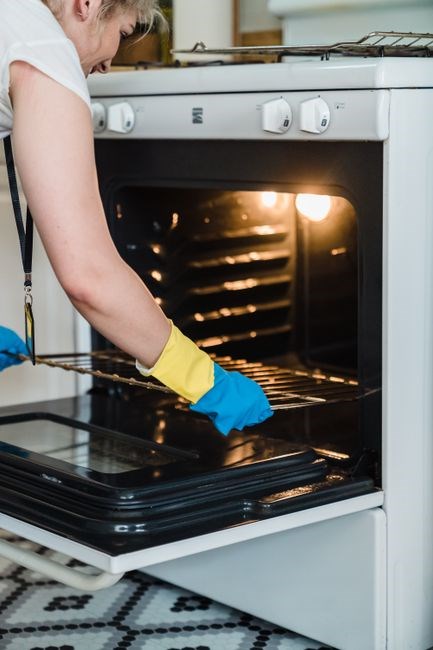
Conventional baking mode delivers even heat across the oven cavity, ideal for breads, pastries, and casseroles. Set the temperature between 50 °C and 250 °C, and use the timer up to 120 minutes. The oven’s dual‑zone heating elements ensure consistent browning, while the convection fan circulates hot air for uniform cooking. For delicate items, choose the low‑heat setting to avoid over‑browning.
Broiling mode uses the top heating element at maximum intensity, perfect for grilling meats, melting cheese, or crisping the tops of dishes. Position the rack at the highest setting and monitor the progress closely; the rapid heat can brown food quickly. The built‑in safety sensor detects overheating and automatically shuts off the element after a preset period, preventing accidental fires.
The pyrolytic cleaning cycle is a self‑cleaning feature that heats the oven to 500 °C, vaporizing food residue into ash that can be wiped away. Activate the cycle after use, and the oven will automatically cool down to a safe temperature before the door can be opened. This cycle saves time and reduces the need for harsh cleaning chemicals, while protecting the interior surfaces from abrasion.
To ensure optimal performance, always preheat the oven to the desired temperature before placing the dish. Use oven‑safe cookware and avoid placing metal trays on the heating element. After each use, wipe the interior with a damp cloth to remove crumbs, and run a short pyrolytic cycle to maintain cleanliness. Refer to the safety section for detailed instructions on handling high temperatures and using the child lock feature. Safe use. Go.