
Colorado Wage Withholding Tax Overview
Colorado’s wage withholding tax requires employers to deduct state income tax from employee paychecks. The tax applies to wages earned within the state, regardless of employee residency, and is remitted quarterly to the Colorado Department of Revenue. Accurate withholding ensures compliance and avoids penalties. now
Definition and Legal Basis
The Colorado wage withholding tax is a state income tax imposed on wages paid to employees for services performed within Colorado. Employers are mandated to withhold the tax from employee paychecks and remit it to the Colorado Department of Revenue. The legal foundation for this tax is found in the Colorado Revised Statutes, specifically § 24‑1‑101 and § 24‑1‑102, which establish the authority of the state to levy income taxes on wages earned in the state. The statutes also delineate the responsibilities of employers, the calculation methods, and the filing schedule. Employers must register with Department of Revenue, file quarterly return forms (CT‑1W), and submit the withheld amounts electronically or by paper. Employers must file quarterly returns remit withheld amounts on time. The withholding tables are published annually by Department are incorporated into the CT‑1W form. Employers must also provide employees with a Form CT‑1W Summary at the end of each calendar year, detailing the total wages and taxes withheld. The statutes provide for a grace period of 10 days for electronic filing, after which penalties apply. The statutes are periodically updated to reflect changes in tax rates, filing deadlines, and reporting requirements, ensuring that both employers and employees remain compliant with Colorado’s wage withholding obligations. Employers must ensure that withholding calculations are accurate, reviewed, and aligned with the latest statutory tables to avoid compliance issues.!

Who Must Withhold Colorado Taxes?
All employers and payroll processors that pay wages for work performed in Colorado must withhold state income tax. Employers must register with the Department of Revenue, file quarterly returns, and remit withheld amounts, and
Employee Residency and Employment Location Criteria
Colorado’s wage‑withholding rules hinge on where a worker physically performs services and where the employer’s payroll is processed. A resident of Colorado who earns wages for work performed anywhere in the state is subject to withholding. A non‑resident who works within Colorado must also have taxes withheld, but the employer may apply a reciprocal agreement if the worker resides in a neighboring state with which Colorado has a reciprocity treaty. For employers, the key test is the “place of performance” rule: if a worker spends any part of a workday in Colorado, the employer must withhold state income tax on the entire wage earned for that day, regardless of the worker’s home state. Employers who pay wages to employees who work exclusively outside Colorado, even if the payroll is processed in Colorado, are not required to withhold. However, if the employee’s duties are split between Colorado and another state, the wages earned in Colorado must be withheld at the applicable rate. Employers must also consider the employee’s residency status for annual filing purposes; residents file a CT‑1, while non‑residents file a CT‑1W. Accurate determination of residency and employment location is critical to avoid under‑withholding penalties and to ensure compliance with state tax law. Employers should verify residency status using the employee’s W‑4 Colorado form and apply the appropriate withholding schedule. Employers also review annual residency changes to keep withholding accurate and compliant year!!!!

Filing and Payment Requirements
Employers must file quarterly wage reports and remit withheld taxes by the 15th of the month following the quarter. Electronic filing via Colorado’s e‑Tax system is mandatory for most businesses, ensuring timely compliance and reducing penalties.Stay compliant!.
Due Dates and Electronic Filing Options
Colorado employers must file quarterly wage reports and remit withheld taxes by the 15th day of the month following each quarter: March 15 for Q1, June 15 for Q2, September 15 for Q3, and December 15 for Q4. The Department of Revenue accepts electronic filings through the e‑Tax portal, which also facilitates payment via ACH or credit card. Electronic filing is required for entities with more than 25 employees or those who elect to file electronically; all other employers may file by paper if they submit by the due date. The e‑Tax system provides real‑time confirmation, reduces processing time, and automatically calculates penalties for late or incomplete submissions. Employers should keep a copy of the filed return and payment confirmation for at least seven years, as audits may request documentation. Failure to file or pay on time results in statutory penalties: a 5% surcharge on the unpaid amount for each month or fraction of a month late, plus a 1% monthly interest charge. The Department offers a “Pay‑Later” option for small businesses that experience temporary cash flow issues; this requires a written request and a repayment plan. Additionally, employers can set up automatic withholding and payment through the Colorado Taxpayer Access Portal, ensuring compliance and avoiding manual errors. Staying current with filing deadlines and leveraging electronic tools helps maintain good standing with the state and prevents costly penalties. Employers should verify monthly statements.!
Required Forms and Documentation
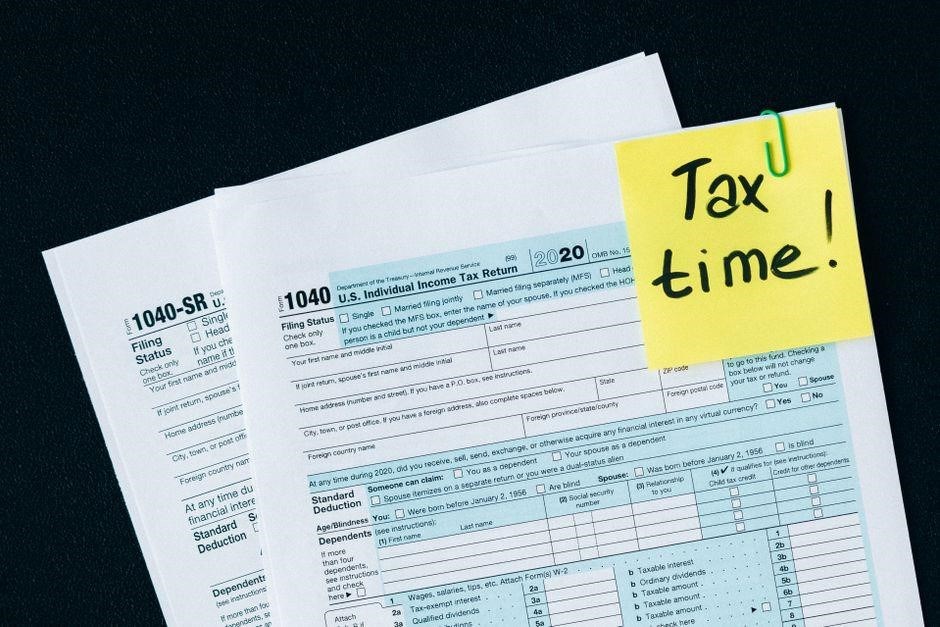
Colorado employers must file Form CT‑1, CT‑1W, and the federal W‑4 Colorado State. CT‑1 reports annual tax liability; CT‑1W is quarterly withholding. Employers attach employee W‑4s for withholding allowances. All forms are available electronically via the Department’s portal. Keep records for 7 years.!
Form CT-1, CT-1W, and W-4 Colorado State
Form CT‑1 is the Colorado state income tax return filed annually by employers to report total wages paid and tax withheld. It requires detailed payroll data, including employee identification, wages, and deductions. Employers must file CT‑1 by the 15th day of the month following the year’s end, typically by March 15. CT‑1W is the quarterly withholding statement. Employers submit CT‑1W each quarter—January–March, April–June, July–September, and October–December—reporting wages paid and taxes withheld for that period. CT‑1W must be filed by the 15th day of the month after the quarter ends (e.g., April 15 for Q1). The federal W‑4 Colorado State form is an employee’s withholding allowance certificate. Employees complete this form to indicate their filing status, number of allowances, and any additional withholding. Employers use the information to calculate the correct Colorado withholding amount. All three forms are available electronically through the Colorado Department of Revenue’s e‑filing portal. Employers should retain copies for seven years and ensure timely submission to avoid penalties. Accurate completion of CT‑1, CT‑1W, and W‑4 Colorado State is essential for compliance with state tax law and to maintain proper withholding for employees. Employers must also file annual payroll reports and keep records of all withholding calculations. Failure to comply can result in substantial penalties and interest charges. Employers should consult the Colorado Department of Revenue website for detailed guidance and updates Today

Calculating Withholding Amounts
Use Colorado’s tax tables to determine withholding. Subtract any pre‑tax deductions, apply the correct rate, then multiply by the employee’s wages. Adjust for allowances per the W‑4 Colorado State. Verify quarterly totals against CT‑1W filings to ensure accuracy. Stay updated on rate changes soon.?
Tax Tables, Brackets, and Withholding Allowances
Colorado’s state income tax is a flat 4.55% for most wages, but the withholding system uses a table that adjusts for frequency, filing status, and claimed allowances. Employers download the latest CT‑1W withholding tables from the Colorado Department of Revenue website, which provide the exact dollar amount to withhold per pay period. The tables are organized by payroll frequency (weekly, bi‑weekly, monthly, semi‑annual, or annual) and by the employee’s filing status (single, married filing jointly, or head of household). For each combination, the table lists a base withholding amount and then adds a percentage of the wages that exceed the threshold for that period. Allowances are subtracted from the employee’s wages before applying the table; each allowance reduces the taxable wages by a fixed dollar amount that changes annually. Employees complete a W‑4 Colorado State, indicating the number of allowances and any additional withholding they desire. Employers must recalculate withholding whenever an employee’s W‑4 changes or when the state updates the tables. Failure to use the correct table can result in over‑or under‑withholding, leading to penalties or refunds. The Department of Revenue publishes quarterly updates, and employers should verify that they are using the most recent tables to remain compliant with the 2026 tax code adjustments. Employers should monitor Colorado tax changes that may alter withholding thresholds or allowance amounts to keep payroll accurate.

Exemptions and Special Circumstances

Colorado exempts nonresident workers earning wages only outside the state and those under reciprocal agreements (e.g., Wyoming, Nebraska). Claimants file Form CT‑1W, line 7, and provide proof. Employers must confirm residency and apply the correct withholding status, and ensure compliance with tax law.
Nonresident Workers and Reciprocal Agreements
Colorado’s wage‑withholding rules treat nonresident employees who perform work entirely outside the state as exempt from Colorado withholding. To qualify, the worker must provide a completed Form CT‑1W, line 7, indicating non‑residency and that all wages are earned outside Colorado. Employers must verify the employee’s residency status, retain documentation, and apply the exemption only to wages earned outside the state. If the worker earns any wages within Colorado, withholding must resume at the applicable rate. Colorado has reciprocal agreements with several neighboring states—Wyoming, Nebraska, and Utah—allowing residents of those states to claim exemption for Colorado wages earned in their home state. In such cases, the employee must submit a valid proof of residency and a signed statement that the wages are earned outside Colorado. Employers should not withhold Colorado tax on wages paid to these nonresident workers, but they must still report the wages on the quarterly CT‑1 filing. Failure to properly apply the exemption can result in penalties and interest. It is essential for employers to maintain accurate records and confirm that the exemption applies before processing payroll. For detailed guidance, consult the Colorado Department of Revenue’s instructions on Form CT‑1W and the state’s reciprocal agreement provisions. This ensures compliance while respecting the rights of nonresident workers and those covered by reciprocal agreements. All employers must review these rules annually. Compliance ensures payroll tax reporting. Thank.

Penalties and Compliance Issues
Late payment incurs a 2% monthly penalty, underpayment triggers a 5% surcharge, and failure to file can lead to a 10% fine. Audits may uncover additional liabilities, and repeated non‑compliance can result in civil or criminal action under Colorado law. Employers must file accurate quarterly returns

Late Payment, Underpayment, and Audit Consequences
Employers who fail to remit Colorado wage withholding on time face a 2% monthly penalty on the unpaid balance, compounded quarterly. Underpayment penalties rise to 5% of the shortfall, and a flat 10% surcharge applies if the tax is omitted entirely. The Department of Revenue conducts audits on a risk‑based schedule, targeting firms with historical discrepancies or large payroll volumes. During an audit, the agency reviews payroll records, tax returns, and supporting documentation for accuracy. If errors are found, the employer may be required to pay back taxes, interest, and additional penalties, and may face civil liability. Repeated violations can trigger enforcement actions, including liens, levies, or even criminal prosecution under Colorado’s tax statutes. To mitigate risk, businesses should maintain detailed payroll logs, reconcile quarterly filings, and respond promptly to any notices from the Department. Implementing automated withholding calculations and electronic filing can reduce human error and ensure compliance with the latest statutory changes. Staying current with quarterly due dates—typically the 15th of the quarter—helps avoid late fees and preserves the employer’s standing with state tax authorities. Employers should also maintain electronic records of all withholding calculations, submit quarterly returns by the 15th of the month following each quarter, and address quick any notices from the Department to avoid penalties more

Recent Legislative Updates and Changes (2026)
Colorado enacted a 2026 tax reform raising the flat withholding rate to 4.5% and simplifying the filing cycle to monthly. Employers must now use the new CT-1W‑M form and report via the new e‑filing portal by the 10th daily. Failure incurs a 3% penalty. Employers must file CT-1W‑M by the 10th daily. now
New Tax Rate Adjustments and Filing Modifications
In 2026, Colorado increased the state wage withholding rate from 4.0% to 4.5%, aligning it with the federal standard for high‑income earners. The adjustment applies to all wages paid within the state, regardless of employee residency, and takes effect on January 1, 2026. Employers must recalculate withholding amounts using the updated tables released by the Department of Revenue. The new tables feature a simplified bracket structure: wages up to $30,000 are taxed at 3.5%, $30,001–$100,000 at 4.0%, and amounts above $100,000 at 4.5%. This tiered approach reduces administrative complexity while ensuring progressive tax collection. Additionally, the state has transitioned from quarterly to monthly filing for all employers. The new filing deadline is the 10th day of the month following the payroll period, and payments must be submitted electronically through the Colorado e‑Tax portal. Employers who previously filed quarterly must register for monthly filing by March 15, 2026, or face a 5% penalty for non‑compliance. The Department has also introduced a real‑time reporting system that allows employers to submit withholding data within 24 hours of each payroll run. This system reduces the risk of late payments and provides the state with timely revenue data. Employers are encouraged to update payroll processes and consult with tax professionals to ensure full compliance with the 2026 changes. Employers must verify withholding accuracy monthly daily! The Department will conduct targeted audits of employers with a history of underpayment or late filing. Employers should review their payroll processes and consult with tax professionals to ensure full compliance with the 2026 changes. The changes aim to streamline tax collection, improve taxpayer experience, and increase state revenue for public services.